
California Didn’t Just Restrict Sweepstakes Casinos — It Banned Them Outright
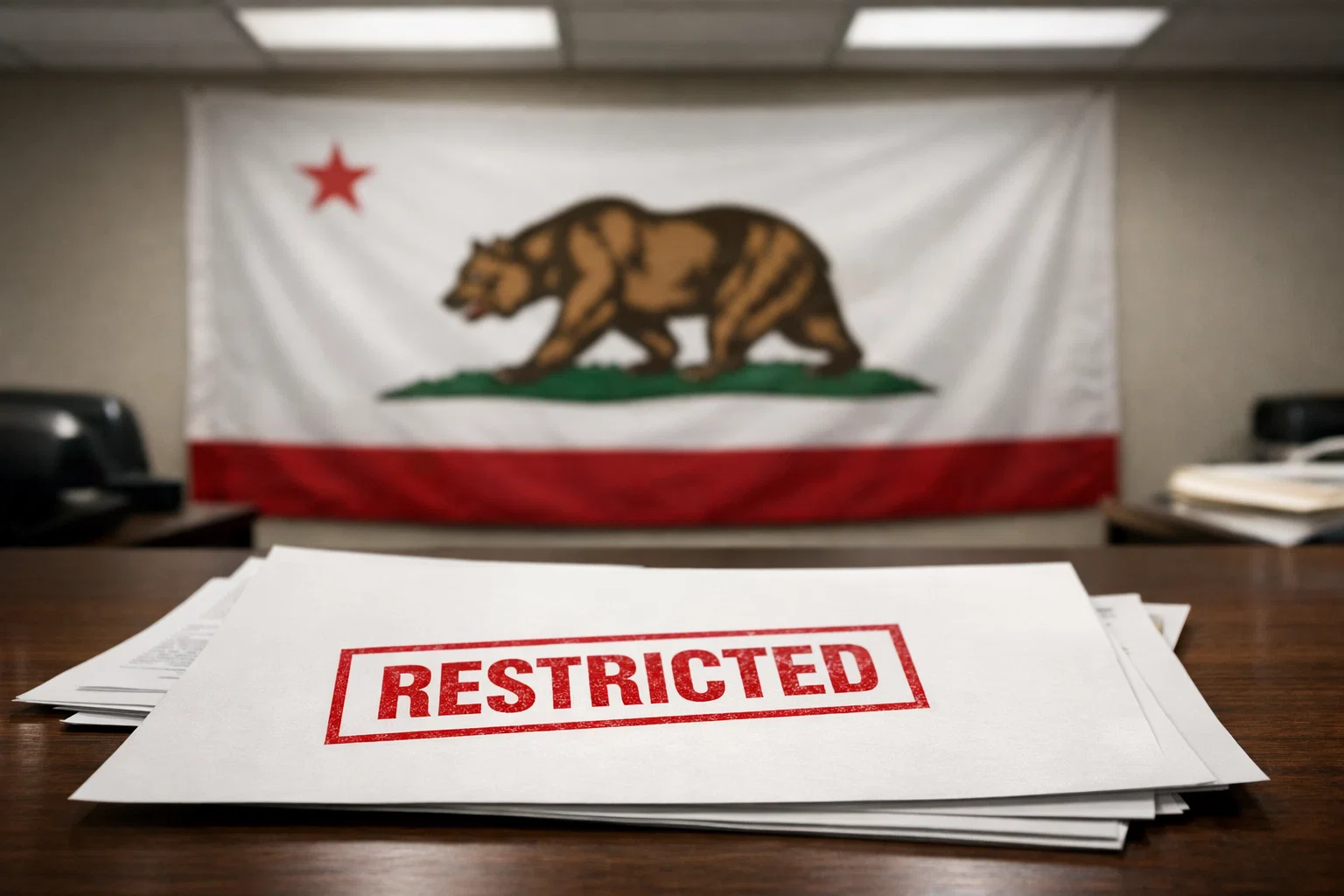
On October 11, 2025, California Governor Gavin Newsom signed Assembly Bill 831 into law. The bill passed with unanimous votes — 36-0 in the Senate and 63-0 in the Assembly — making California the 17th state to take legal action against sweepstakes casinos. The ban took effect on January 1, 2026, and it didn’t leave room for interpretation: sweepstakes casinos are prohibited from operating in or targeting California residents.
The unanimous vote tells the story of how completely the political consensus shifted against the sweepstakes model in California. SGLA Executive Director Jeff Duncan, a former US congressman, urged the governor to veto what he called “a reckless bill,” arguing that California “has always been a leader in innovation, not a place where opportunity is shut down overnight.” The veto didn’t come. The AB 831 ban stands as one of the most decisive regulatory actions against the sweepstakes industry to date.
For California players who had been collecting daily bonuses, the ban meant an abrupt end to their routines — and, in many cases, a scramble to redeem accumulated SC before access was cut off.
New York followed: SB 5935.
What AB 831 Bans and When
AB 831 prohibits the operation of online sweepstakes-style casinos that use a dual-currency model — platforms where players purchase virtual currency and receive a second redeemable currency as a promotional bonus. That description covers the core mechanics of every major sweepstakes casino operating in the US: Chumba, WOW Vegas, High 5, McLuck, Stake.us, and the rest.
The law doesn’t distinguish between large and small operators or between well-run platforms and questionable ones. It targets the business model itself, which means even sweepstakes casinos that voluntarily comply with responsible gaming standards and industry codes of conduct are equally prohibited from operating in California. This blanket approach reflects the legislative consensus that the sweepstakes model — regardless of individual operator quality — represents unregulated gambling that should not be permitted without a state gaming license.
The effective date of January 1, 2026 gave operators approximately three months to wind down California operations, implement geo-blocking for California IP addresses, and communicate the change to California-based players. Most major platforms complied by the deadline, though enforcement activity in early 2026 indicated that some smaller operators attempted to continue serving California users past the cutoff.
The ban is comprehensive. It doesn’t distinguish between operators that have self-regulation frameworks and those that don’t. It doesn’t grandfather existing players or provide a wind-down period beyond the January 1, 2026 effective date. As of that date, sweepstakes casinos are required to geo-block California IP addresses and cease all marketing, advertising, and promotional activity targeting California residents.
The legislative timeline moved fast. AB 831 was introduced, debated, voted on, and signed within months — a pace that caught some operators off guard. The bill’s text draws on the legal framework established by California’s existing gambling statutes, classifying sweepstakes casinos as illegal gambling operations under state law. The unanimity of the vote — not a single legislator in either chamber voted against it — made any legal challenge to the bill’s passage procedurally difficult.
Vendor Liability: A New Precedent
AB 831’s most innovative — and most consequential — provision extends criminal liability beyond the casino operators themselves to their vendors and service providers.
Under the law, payment processors, geolocation service providers, content suppliers, and media affiliates who facilitate the operation of a sweepstakes casino targeting California residents face penalties of $1,000 to $25,000 per violation and up to one year of imprisonment, according to legal analysis from ZwillGen. This vendor liability clause is a significant escalation from previous state-level sweepstakes bans, which typically targeted only the operators.
The practical effect is to cut the supply chain. Even if a sweepstakes casino decides to continue operating in California in defiance of AB 831, its payment processor may refuse to handle California transactions for fear of criminal exposure. Its geolocation provider may block California coverage. Its affiliate marketers may stop running California-targeted ads. The law doesn’t just make it illegal to run a sweepstakes casino in California — it makes it difficult by threatening every link in the operational chain.
For players, vendor liability means that workarounds are unlikely to function for long. Using a VPN to appear outside California might bypass the casino’s geo-block temporarily, but the payment infrastructure behind the scenes is being actively dismantled by legal pressure on the vendors who enable it. Even if you can access the platform, your ability to deposit, play through SC, or redeem may be compromised by payment processors that have already severed their California connections.
The vendor liability precedent has implications beyond California. Other states crafting sweepstakes bans are looking at AB 831’s supply-chain approach as a template. If this model proliferates, sweepstakes casinos will face a situation where operating in banned states becomes not just illegal but logistically impossible — the infrastructure simply won’t be available. For the industry, this represents a fundamentally different threat than operator-only penalties that can be absorbed as a cost of doing business.
Impact on California Players
California represented approximately 17.3% of all sweepstakes casino sales in the United States during 2025, according to data from EKG Gaming cited by RG.org. Analysts estimated that losing California would eliminate roughly 20% of the industry’s total revenue. For operators, the ban was a financial earthquake. For players, it was the end of access.
California residents who had accumulated SC balances at various platforms were given a limited window to redeem before the January 1, 2026 cutoff. Some operators communicated the deadline clearly and processed redemptions expeditiously. Others were slower, and player forums reported cases of SC balances stranded in accounts that became inaccessible after the ban took effect. Players who missed the redemption window had few options — most operators treated unredeemed SC as forfeited once geo-blocking activated, though some handled post-ban requests individually for players with large balances.
The daily bonus implications were immediate and permanent. California players who had built multi-platform claiming routines — logging into five or six sweepstakes casinos daily — saw their entire SC income stream disappear overnight. Streak-based bonuses, progressive climbs, VIP tier progress — all gone. Players who had invested months building a progressive bonus at a platform like Cider Casino lost that progress entirely when geo-blocks activated on January 1.
The broader market consequences extend beyond California’s borders. With California accounting for roughly one-fifth of industry revenue, operators must compensate for the shortfall. That pressure could manifest as reduced daily bonus amounts, increased playthrough requirements, or higher minimum redemption thresholds across all remaining states. Players in unaffected states should monitor their platforms’ bonus terms for changes that might correlate with the industry’s California revenue loss.
For California residents considering sweepstakes casinos in 2026, the situation is unambiguous: the platforms are banned, access is blocked, and the legal penalties apply not just to operators but to the infrastructure providers that make access possible. The AB 831 ban is the most comprehensive state-level action against sweepstakes casinos to date, and as of early 2026, there is no legislative effort underway to reverse it.
The wider context is set out in our daily bonus comparison.
This content is for informational purposes only. This article does not constitute legal advice. Sweepstakes casino availability varies by state. Always verify that a platform operates legally in your jurisdiction before registering. Play responsibly.